
The Best Time Depends on Weather, Soil, and Plant Growth
The best time to schedule mulch installation for gardens is usually in spring after the soil starts to warm, or in fall before cold weather sets in. Spring works well because mulch helps hold water and slow weeds as plants begin to grow. Fall can also be a smart choice because mulch helps protect roots from cold swings. In Wilmington, NC, the right week often depends on rain, temperature, and how wet the garden beds are.
Why Prevention Matters
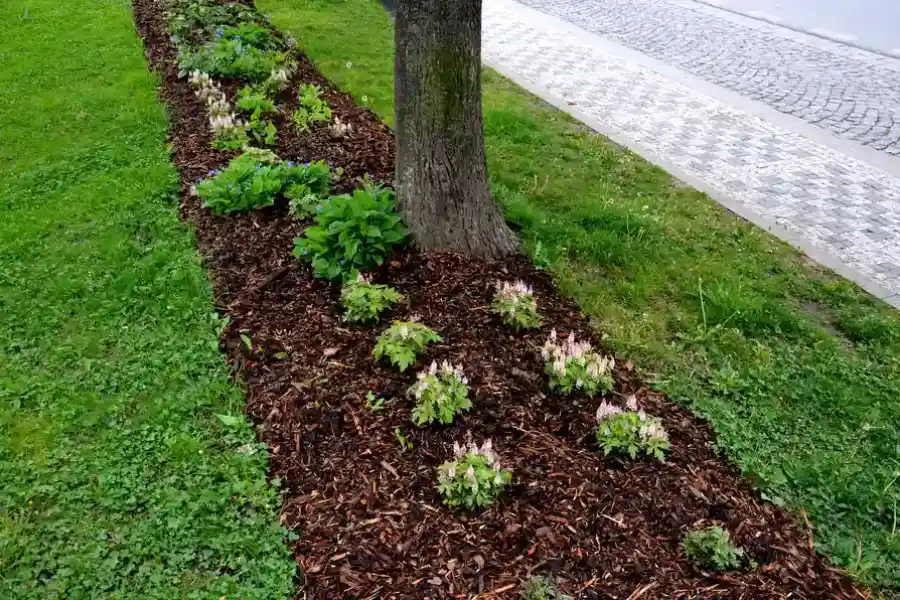
Good timing matters because mulch does more than make a yard look neat. It helps the soil hold water longer. It also helps block sunlight from reaching weed seeds. That means fewer weeds can sprout and take over the bed. A proper layer can also help keep the soil from getting too hot in summer and too cold in winter. When mulch installation is done at the right time, plants get these benefits when they need them most.
If mulch is put down too early in spring, the soil may stay cold longer. That can slow root growth for flowers, shrubs, and vegetables. If it is spread too late, weeds may already be growing fast. Then the mulch has to work harder, and the bed may need extra cleanup first. Timing helps your garden get ahead of common problems instead of trying to catch up later.
Early Warning Signs
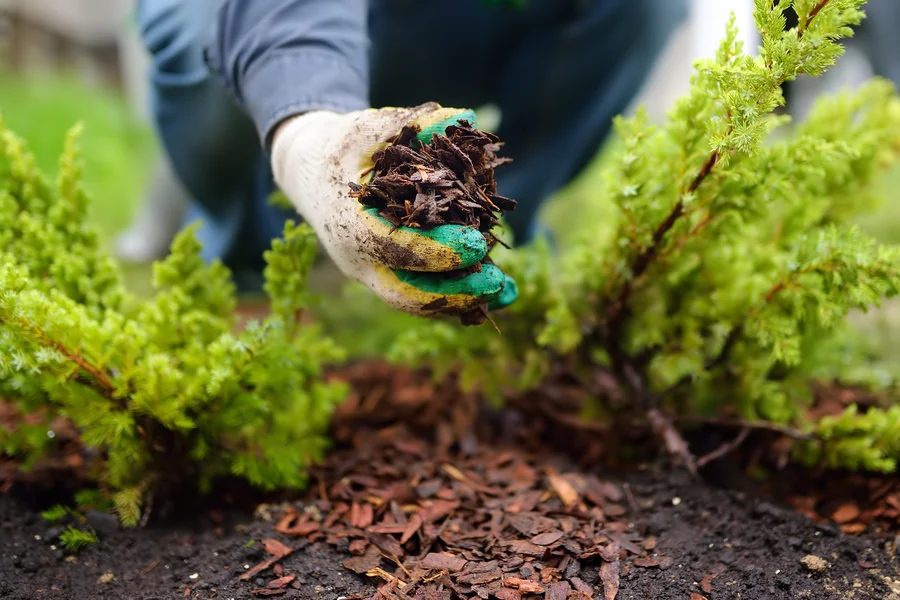
Your garden often gives clear signs that it is time for fresh mulch. One sign is bare soil showing in large spots. Another is old mulch that looks thin, faded, or broken down into the dirt. You may also see more weeds than usual or notice that the soil dries out very fast after watering. These are clues that the mulch layer is no longer doing its job well.
Watch for signs around trees, flower beds, and garden borders. If rain causes soil to splash onto leaves, mulch may be too thin. If plant roots are easy to see, the bed may need better cover. If the mulch smells sour or looks packed down in wet areas, it may need to be turned, removed, or replaced. In a service category like landscape care, small signs like these can help you plan before bigger problems start.
Seasonal or Routine Checklist
A simple schedule makes mulch installation easier to plan. The best season depends on what your garden needs most.
- Check beds in early spring after the last hard freeze.
- Remove weeds, sticks, and matted leaves before adding new mulch.
- Feel the soil. If it is still very cold and wet, wait a bit.
- Add mulch once the ground warms and plants begin active growth.
- Check depth in summer. Keep it around 2 to 3 inches in most beds.
- Inspect again in early fall if summer heat washed mulch away.
- Refresh beds before winter if roots need cold-weather protection.
For many homes, one main visit in spring and one light touch-up in fall works well. Heavy rain, strong wind, or steep garden beds may call for more checks through the year. Fresh bark, wood chips, or other ground cover can shift over time, so routine checks help keep coverage even.
Best Practices for Long-Term Results
Start with clean beds. Pull weeds first and edge the garden if needed. Spread mulch in an even layer, but do not pile it against stems or tree trunks. Keep a small gap around the base of plants so water and air can move well. This helps lower the chance of rot and pest trouble.
Choose the mulch type based on the bed and the plants. Shredded hardwood works well in many flower beds because it stays in place better than lighter materials. Pine straw can be useful on slopes or around certain shrubs. Compost-based mulch can help improve soil over time in some garden areas. The best choice is not always the same for every yard.
It also helps to match timing to recent weather. If the bed is soaked after several rainy days, wait until the soil is only damp. If a heat wave is coming, adding mulch right before it arrives can help the bed hold water better. A little planning can make the mulch last longer and work better through the season.
What Not to Do
One common mistake is using too much mulch. A thick pile may seem helpful, but it can trap too much moisture and limit air near roots. In most garden beds, about 2 to 3 inches is enough. Another mistake is placing mulch right on the crown of a plant or against a tree trunk. That can lead to decay, mold, or insect activity.
Do not add fresh mulch over heavy weeds and hope they disappear. Some weeds will push right through. It is better to clean the bed first. Also, do not mulch frozen ground unless there is a clear reason for winter root protection. And do not ignore old mulch that has turned into a dense layer. New mulch on top of bad material can make the problem worse instead of better.
- Do not mulch too early in cold spring soil.
- Do not spread mulch thicker than needed.
- Do not cover plant stems or tree bark.
- Do not skip bed cleanup before the job.
- Do not wait until weeds are fully established.
When to Schedule Professional Help
Some garden beds are simple, but others are hard to manage alone. It may be time to schedule professional help if your property has large planting areas, steep slopes, drainage trouble, or old mulch that needs removal first. Help can also be useful if you are unsure which material fits the plants in each bed.
Timing also matters when you are planning around bigger yard work. If pruning, planting, edging, or bed redesign is coming soon, it makes sense to coordinate mulch installation after the heavy work is done. That way the new layer stays neat and does not get disturbed right away. A planned visit can save time and help the garden stay in better shape for longer.
Ready to Plan Your Garden Timing
If you’re in Wilmington, NC, we can help you pick the right season and depth for mulch installation based on your beds and plants. At Rico Landscaping and Maintenance LLC, we want your garden to stay healthy and neat without guesswork. Call us at (910) 294-8163 to set up a visit and let our team help you plan the next step.