
How to Find the Cause of Brown Spots and Get Water Back Where It Belongs
If parts of your yard stay brown while other spots look fine, the problem is often uneven watering. Irrigation system repair can help fix blocked heads, broken valves, low pressure, or bad sprinkler coverage. In many cases, dry lawn areas happen because water is not reaching the roots in the right amount. A few simple checks can help you spot the issue and decide if you can fix it yourself or need expert help in Wilmington, NC.
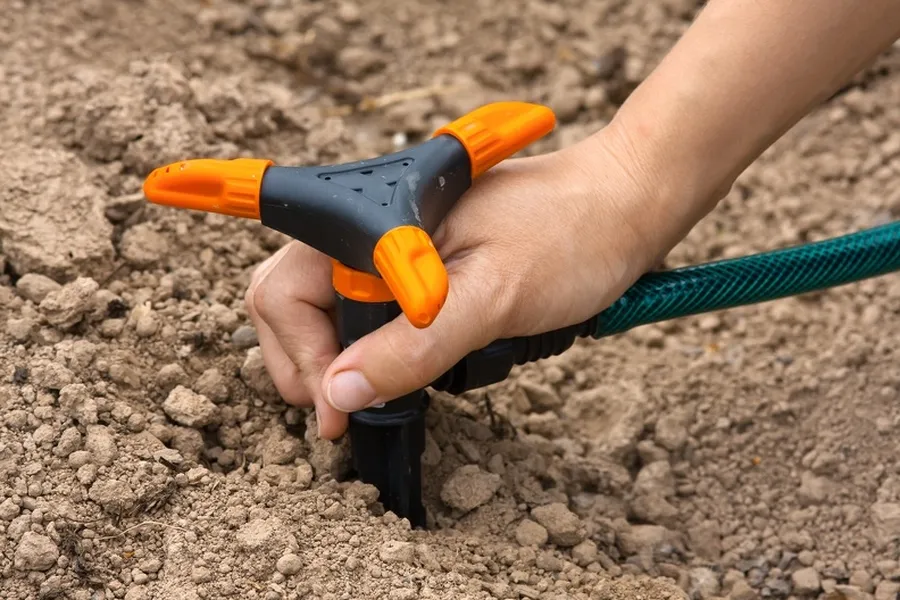
Quick Diagnosis Summary
Dry lawn areas usually point to a water delivery problem. One zone may not turn on fully. A sprinkler head may be clogged or aimed the wrong way. A pipe may leak underground and lower pressure. Sometimes the controller settings are off, and one part of the lawn gets skipped. irrigation system repair focuses on finding where the water flow breaks down and correcting it before the grass gets worse.
Common Symptoms
Brown or thin grass does not always mean the whole yard needs more water. It can mean one small part of the system is failing. Look for patterns in the dry areas. A circle of dead grass near one head often means that head is blocked or damaged. A long strip of dry lawn can mean poor spray overlap. If one full section is dry, a valve or zone issue may be the cause.
- Brown patches that match a sprinkler pattern
- One zone not popping up at all
- Weak spray or mist instead of full coverage
- Water pooling in one place while nearby grass stays dry
- A sudden jump in water use
- Soil that feels dry even after a watering cycle
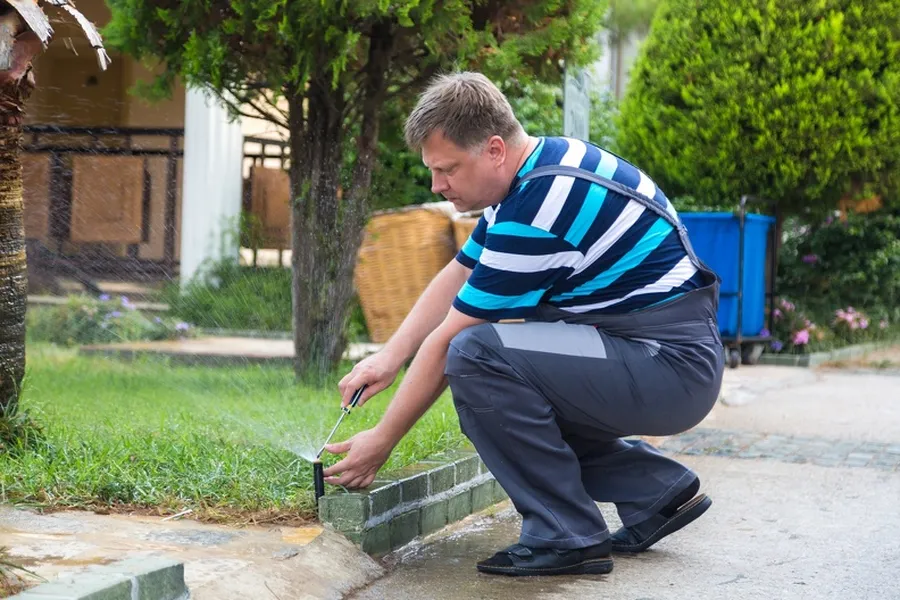
Likely Causes
Several problems can lead to dry lawn areas. A clogged nozzle is one of the most common. Dirt, sand, and grass clippings can block water flow. A tilted or sunken head can also send water into the wrong spot. Broken pipes underground may steal pressure from the rest of the zone. In other cases, tree roots press on the line and reduce flow.
The timer can also be part of the problem. If a zone is set for too little run time, the grass may not get enough water. A bad valve diaphragm may stop a zone from opening all the way. Low pressure from the main supply can make the spray too weak to reach the dry area. Even simple wear over time can create the need for irrigation system repair.
If your property uses a larger outdoor watering setup, the irrigation system repair issue may affect more than lawn sprinklers alone. This can also involve parts of the service category, such as control wiring, valves, and supply lines connected to the broader watering layout.
What to Check First
Start with the easiest checks before digging or replacing parts. Run the dry zone during daylight so you can see the spray pattern. Watch each head from start to finish. Look for heads that do not rise, heads that spray too short, or heads that point into the sidewalk or flower bed.
- Turn on the problem zone manually from the controller.
- Walk the full area and watch each sprinkler head.
- Check for clogged nozzles or damaged spray tips.
- Look for soggy soil that may show an underground leak.
- Check the timer settings for run time and start days.
- Compare the weak zone to a healthy zone nearby.
- Test water pressure if all heads seem weak.
These steps can help narrow the problem fast. If the dry area happens only in hot afternoon sun, the issue may be run time or poor head spacing. If the problem is sudden, damage is more likely.
Safe Fixes Vs Pro-Level Fixes
Some fixes are simple and safe for a homeowner. Cleaning a nozzle, straightening a sprinkler head, or adjusting the spray arc can often improve coverage right away. Replacing one damaged head is also a common basic repair. These jobs are low risk and do not take special tools in many cases.
Other issues are harder to fix well. Valve problems, broken lateral lines, wiring faults, and pressure problems can take more skill to diagnose. Digging without knowing the line layout can create new leaks. If the system has multiple dry zones, the root cause may be deeper than one bad head. That is when professional irrigation system repair makes more sense.
Prevention Tips
Regular checks can help stop dry spots before they spread. Run each zone once a month and watch the pattern. Keep grass from growing over heads. Clean nozzles when spray looks uneven. After mowing or yard work, check for damaged heads near edges. Small problems are cheaper and easier to fix before the lawn starts to thin out.
- Inspect sprinkler heads every month
- Adjust spray after landscaping changes
- Replace worn nozzles before coverage drops
- Check the controller after storms or power loss
- Watch for wet spots that may mean hidden leaks
- Water deeply enough for root growth, not just surface moisture
When to Call a Professional
Call for help if one zone stays dry after basic cleaning and adjustment. You should also get expert support if pressure drops across several zones, water bills rise without reason, or you see signs of a buried leak. Fast action can save grass, soil health, and water. A trained technician can test valves, trace lines, and correct coverage so the lawn gets even watering again.
Get Help for Dry Lawn Areas
If dry spots keep coming back, we can help inspect the system and find the real cause. Our team works with lawns across Wilmington, NC and can check coverage, pressure, valves, and hidden leaks. At Rico Landscaping and Maintenance LLC, we focus on clear answers and solid repairs. Call us at (910) 294-8163 to schedule irrigation system repair and get your lawn back on track.