
Simple Ways to Choose the Right Outdoor Features for Your Yard
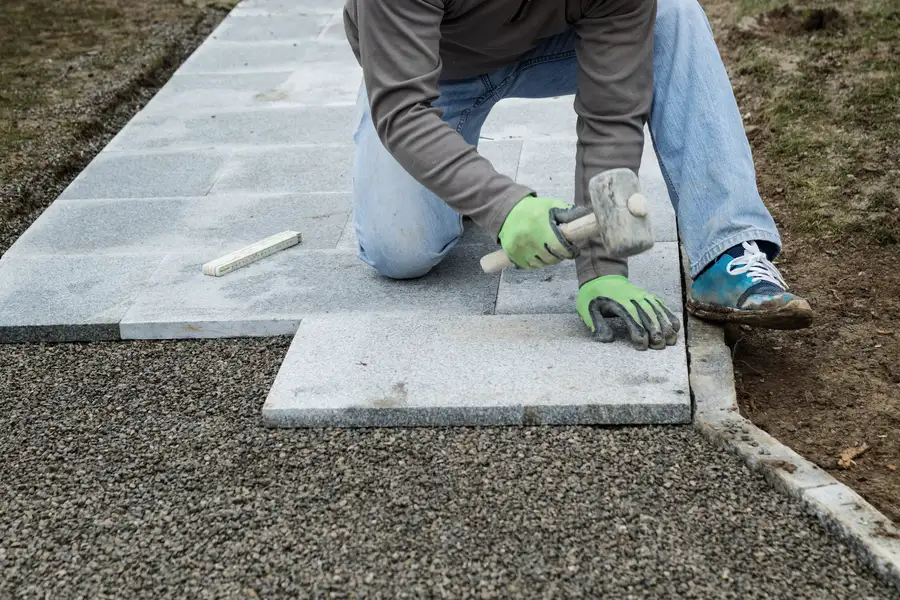
Hardscaping options in landscape installation design often include patios, walkways, retaining walls, fire pits, steps, edging, and outdoor seating areas. The right choice depends on how you use your yard, your slope, drainage needs, and the style of your home. In Wilmington, NC, a smart plan can make the yard easier to use, easier to maintain, and more comfortable through the year.
Quick Decision Answer
If you want easier outdoor living, start with a patio and a walkway. If your yard has slopes or drainage problems, retaining walls, steps, and paver paths may help more. If you want to entertain, a fire pit or seating wall can add function. Good landscape installation design blends beauty with daily use, so each feature should solve a need, not just fill space.
Option A Vs Option B Criteria
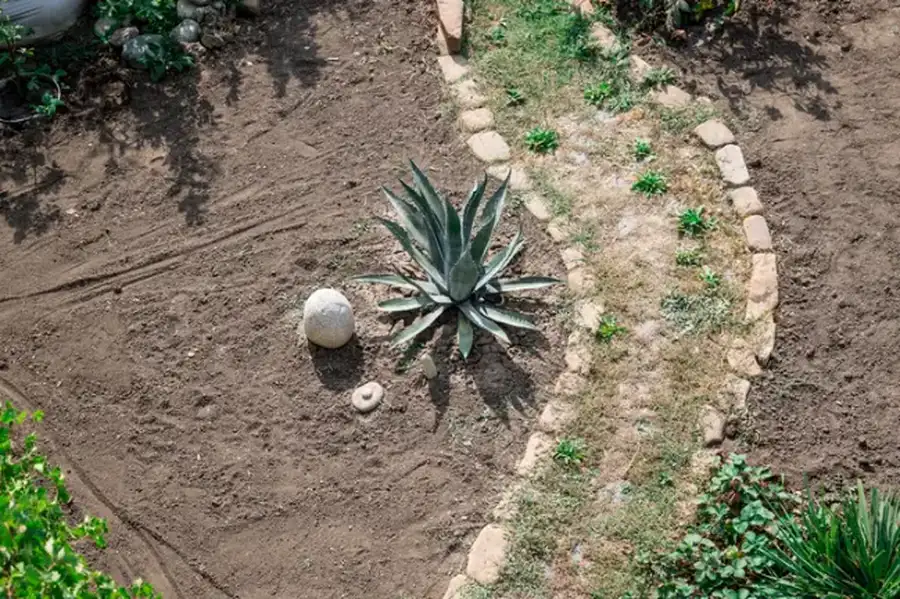
Many homeowners compare softscape features, like plants and sod, with hardscape features, like stone, brick, or concrete. Both matter, but they do different jobs. Softscape adds color and life. Hardscape adds structure and use. A strong landscape installation plan usually needs both.
Here are a few simple ways to compare common choices:
- Patio vs deck: patios last long and sit low to the ground, while decks work well on steep yards.
- Pavers vs poured concrete: pavers can be easier to repair, while poured concrete may have a simpler look.
- Gravel path vs paver walkway: gravel costs less effort to place, while pavers feel more stable underfoot.
- Retaining wall vs slope planting: walls hold grade better, while planting a slope may work on mild hills.
- Fire pit vs open lawn: a fire pit creates a gathering spot, while lawn leaves open play space.
If the service category keyword is part of your project planning, it should support the same goal as the rest of the yard. Every feature should work together, not compete for space.
Pros and Cons List
Each hardscape feature has good points and trade-offs. The best pick depends on your space and how much upkeep you want.
- Patios: great for seating and dining, but they need enough level space.
- Walkways: improve safety and flow, but poor placement can feel awkward.
- Retaining walls: help with grade changes, but they need proper planning and drainage.
- Steps: make hills easier to use, but uneven risers can become a tripping risk.
- Edging: keeps beds neat, but some styles can shift over time.
- Fire pits: add warmth and comfort, but they need safe spacing from structures.
- Seating walls: save space and add function, but they are a more fixed feature.
Best Fit by Scenario and User Need
A flat backyard often works well with a paver patio, border beds, and a short path from the back door. A narrow side yard may need a simple walkway with edging and low plantings. A steep yard may call for steps, a retaining wall, and drainage planning before anything else. A family with pets may want wider paths and easy-clean surfaces. A homeowner who likes to host may want a larger patio with built-in seating.
Think about how people move through the yard. If guests always cut across the grass, that may be the best spot for a path. If water pools near the house, adding a patio there without fixing drainage first can create more trouble. Good landscape installation starts with use patterns, grade, and water flow.
Mistakes People Make When Choosing
One common mistake is picking materials only by looks. A stone that seems perfect in a photo may be too slick when wet. Another mistake is making a patio too small. Outdoor furniture needs room around it so people can walk with ease. Some people also forget about sun, shade, and wind. A beautiful sitting area may not get used if it feels too hot in the afternoon.
Another issue is poor balance. Too much hardscape can make a yard feel harsh. Too little can leave the yard muddy and hard to use. The goal is a layout that feels natural. Plants soften the lines. Hardscape gives shape and access. When both pieces are planned together, the whole yard works better.
Final Decision Checklist
Before you choose hardscaping features, use this simple checklist:
- Decide how you want to use the space every week.
- Check the yard slope and watch where water drains.
- Measure the area, including door swings and walking space.
- Match materials to your home’s style and your upkeep goals.
- Think about safety for kids, pets, and older adults.
- Leave room for plants, shade, and open areas.
- Plan the project in phases if the full yard will take time.
This step-by-step approach helps you avoid features that look nice but do not serve your daily needs. It also helps you build a yard that feels complete, not pieced together.
Final Recommendation and Contact
For property owners in Wilmington, NC, we can help sort through the best hardscaping choices for the way the space is used. Our team at Rico Landscaping and Maintenance LLC builds landscape installation plans that fit real yards and real routines. Call us at (910) 294-8163 to talk about your ideas and set up the next step.