
Simple Ways to Keep Your Landscape Beds Neat, Healthy, and Long-Lasting
The biggest mistakes during mulch installation are using too much mulch, placing it against tree trunks, skipping weed control, and picking the wrong type for the area. These errors can trap water, harm plant roots, and make beds look messy fast. A better plan is to prep the soil, spread mulch evenly, and keep the depth right. If you are caring for a yard in Wilmington, NC, small changes in technique can make a big difference.
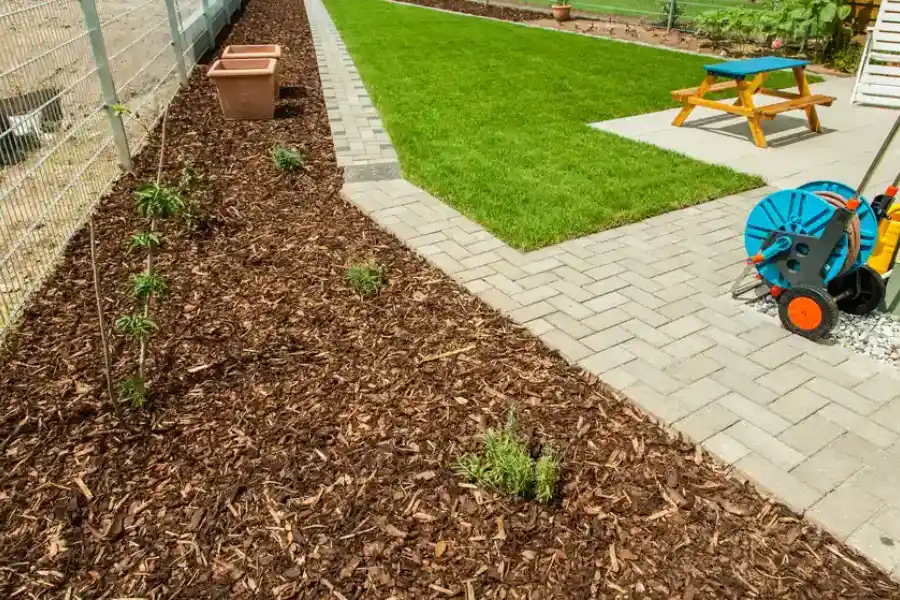
Why Prevention Matters
Good mulch does more than make a yard look clean. It helps soil hold moisture. It can slow weed growth. It can also help protect roots from heat and cold. But poor mulch installation can cause the opposite result. Beds may stay too wet. Weeds may push through. Plants may struggle instead of growing well.
Many people think mulch is simple. In one way, it is. You spread it over the soil. Still, the details matter. A bed with the wrong depth or poor prep may need to be redone much sooner. That means extra work and wasted material. In landscaping and other outdoor projects, simple mistakes often turn into bigger problems later.
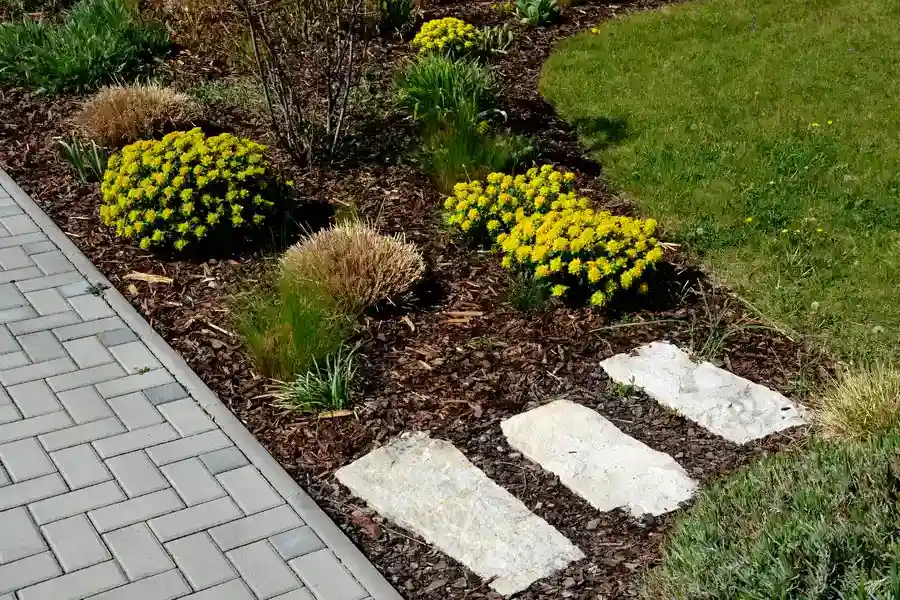
Early Warning Signs
You can often spot a bad mulch job within a few days or weeks. The surface may look uneven. Water may run off instead of soaking in. Plants may begin to yellow. You may also see mold, weeds, or a sour smell coming from the bed. These signs usually point to poor prep, poor drainage, or too much material.
Watch for these common warning signs:
- Mulch piled high around tree trunks or stems
- Hard, matted mulch that blocks water
- Weeds growing through fresh mulch
- Thin bare spots next to deep piles
- Water pooling after rain
- Plants that look weak after the mulch was added
If you catch these issues early, they are easier to fix.
Seasonal or Routine Checklist
A simple checklist can help you avoid common mistakes before they start. Mulch works best when the bed is prepared the right way and checked during the year. Spring and fall are often good times to refresh landscape beds, but the right timing depends on weather and plant needs.
- Pull existing weeds and remove yard debris.
- Edge the bed so the area has a clean border.
- Check the soil for drainage problems or packed spots.
- Keep mulch back from trunks, stems, and foundations.
- Spread mulch in an even layer, usually about 2 to 3 inches deep.
- Rake the surface smooth instead of making tall mounds.
- Inspect the bed after heavy rain and adjust low or thick spots.
This routine helps mulch stay in place and do its job longer.
Best Practices for Long-Term Results
One of the best ways to get strong results is to choose the right mulch for the space. Shredded bark often stays in place well on slopes. Wood chips can work in larger beds. Fine mulch may look neat, but it can pack down if spread too thick. The material should match the bed’s needs, not just the color you like best.
Depth also matters a lot. A light layer may not block weeds well. A heavy layer can hold too much moisture and limit airflow. Most beds do well with around 2 to 3 inches. Around trees, keep a flat donut shape, not a volcano shape. That means no mulch touching the trunk.
It also helps to water the bed after mulch installation if the ground is dry. That can help settle the material and support nearby plants. Then check the area every so often. Mulch breaks down over time. That is normal. Add only what is needed instead of covering old layers again and again.
What Not to Do
Many mulch problems come from rushing the job. People often dump a large pile in one spot and spread it out later. That can leave deep sections and thin sections across the bed. Another common mistake is putting mulch over grass, weeds, or compacted soil without prep. The bed may look better for a short time, but the old problems stay underneath.
Here are mistakes to avoid during mulch installation:
- Using more than 3 to 4 inches in most planting beds
- Piling mulch against tree bark or plant stems
- Skipping weeding before adding fresh material
- Covering landscape issues instead of fixing them
- Using the same mulch type in every area without thinking about slope, shade, or drainage
- Adding new mulch every year without checking old depth
- Blocking vents, paths, or hard edges with loose material
These mistakes can make the yard look less tidy and hurt plant health over time.
When to Schedule Professional Help
Some mulch jobs are easy for a homeowner. Others are harder than they seem. Large beds, steep slopes, drainage trouble, or areas around mature trees may need a more careful plan. If your yard has washout after storms, root problems, or beds that never seem to stay neat, it may be time to get help.
Professional help can also make sense when you want a full refresh. That may include edging, weed removal, bed shaping, cleanup, and fresh mulch installation done in one visit. A trained crew can spot issues that are easy to miss, like poor grading or plant crowding. That can save time and reduce repeat work later.
Get the Job Done the Right Way
If you want help with mulch installation in Wilmington, NC, we can guide you on the right depth, material, and layout for your beds. At Rico Landscaping and Maintenance LLC, we handle clean, careful work and can answer questions about your yard’s needs. Call us at (910) 294-8163 to set up a visit or talk through your next project with our team.